
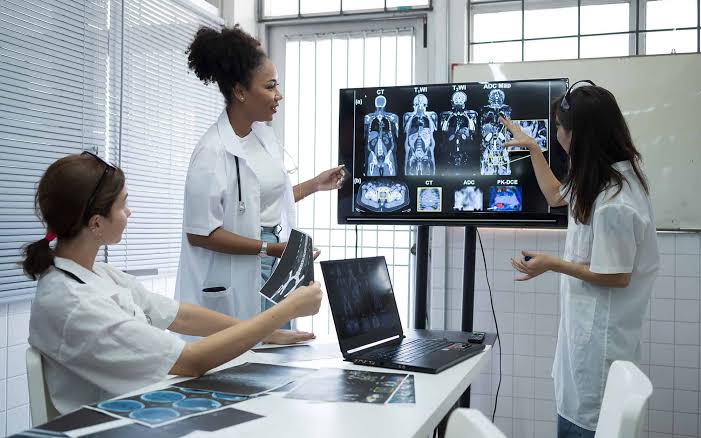
Medical imaging has become an essential part of modern healthcare. From emergency departments to specialty clinics, fast and accurate imaging helps doctors diagnose conditions quickly and begin treatment without delay. As healthcare facilities continue to improve patient care, technologies such as mobile radiography, computed radiography, and digital radiography systems are playing a major role in delivering reliable diagnostic results.
These advanced imaging solutions not only improve workflow but also enhance patient comfort, making healthcare more efficient for both medical professionals and patients.
Why Mobile Radiography Is Becoming More Important
One of the biggest advantages of mobile radiography is its ability to bring imaging directly to the patient. Instead of moving critically ill, elderly, or injured patients to the imaging department, healthcare professionals can perform examinations at the bedside.
This approach reduces patient movement, improves safety, and speeds up diagnosis. During emergencies, intensive care, and post-surgical recovery, mobile radiography helps medical teams make faster clinical decisions while maintaining high-quality imaging standards.
Understanding Computed Radiography
Although digital technology has become more common, computed radiography continues to be a practical solution for many healthcare facilities. It uses reusable imaging plates instead of traditional film, allowing medical staff to capture images digitally without replacing the entire imaging setup.
Many hospitals choose computed radiography because it offers an affordable path toward digital imaging. It reduces film handling, supports better image storage, and simplifies sharing images across departments for faster collaboration.
How Digital Radiography Systems Improve Diagnosis
Healthcare providers are increasingly investing in digital radiography systems because they deliver high-quality images almost instantly. Unlike older imaging methods, digital systems reduce waiting time and allow radiologists to review scans immediately.
Modern digital radiography systems also include advanced image processing tools that improve clarity while helping reduce unnecessary repeat examinations. Faster image availability allows doctors to begin treatment sooner, which can make a significant difference in patient outcomes.
In busy hospitals and diagnostic centers, digital radiography systems also improve workflow by simplifying image storage, retrieval, and secure sharing across multiple departments.
Choosing the Right Imaging Solution
Every healthcare facility has unique imaging requirements. Smaller clinics may benefit from computed radiography, while larger hospitals often rely on advanced digital radiography systems for higher patient volumes. Facilities that frequently treat emergency or immobile patients can gain significant advantages from mobile radiography.
Selecting the right technology depends on patient needs, available infrastructure, budget, and long-term growth plans. Investing in reliable imaging equipment today helps healthcare providers deliver consistent diagnostic accuracy for years to come.
The Future of Medical Imaging
Healthcare organizations seeking dependable radiology solutions should look for providers that combine advanced imaging technology with efficient workflows, ongoing innovation, and dedicated customer support. Choosing the right radiology solutions provider can help improve diagnostic accuracy, streamline daily operations, and enhance patient care across healthcare facilities.
Learn more about modern imaging technologies and comprehensive radiology solutions by visiting a trusted radiology solutions provider, where healthcare professionals can explore solutions designed to meet the evolving needs of today’s medical environment.